November 17, 2026
Accelerating along crowded highways requires an unspoken trust in your vehicle's structural safety systems. While motorists routinely monitor engine oil and tire pressures, the expansive windshield positioned directly before their eyes frequently suffers dangerous neglect. Drivers often perceive automotive glass merely as a passive barrier shielding occupants from highway wind and rain. Consequently, when road debris strikes the windshield—leaving a bullseye chip or hairline crack—many motorists shrug off the blemish as an aesthetic nuisance. Busy schedules prompt drivers to postpone restorative service, hoping cracks will not expand. However, viewing damaged windshield glass as a purely cosmetic concern is a dangerous misconception that imperils passenger lives. A windshield serves as a structural support pillar within unibody vehicles, engineered to bear roof loads and guide airbag deployments. The tremendous growth of the vehicle glazing sector reflects the increasing sophistication of modern vehicle transparencies; indeed, according to Mordor Intelligence, the automotive glass market is expected to grow from USD 22.35 billion in 2025 to USD 23.49 billion in 2026. This impressive financial expansion underscores why contemporary vehicle safety depends upon flawless optical engineering. Sourcing timely glass remediation bridges the gap between dangerous vulnerability and reliable occupant protection. Understanding the hidden perils of structural glass failure empowers drivers to take prompt restorative action before minor fractures trigger catastrophic vehicular failures. Prioritizing safety glass restoration preserves vehicle equity, defends passenger lives, and guarantees lasting peace of mind across every season.
Compromising Structural Roof Crush Resistance During Rollover Incidents
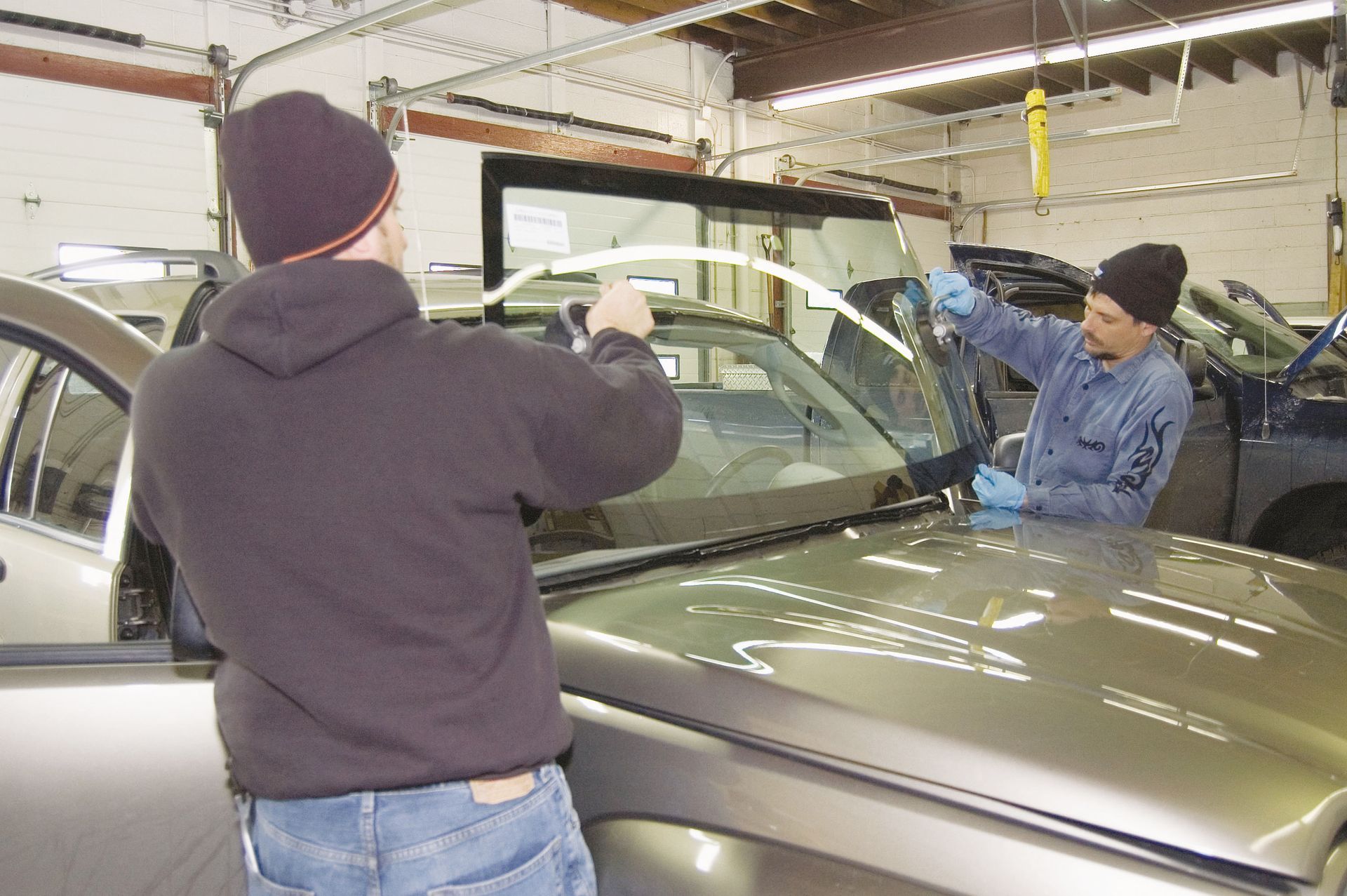
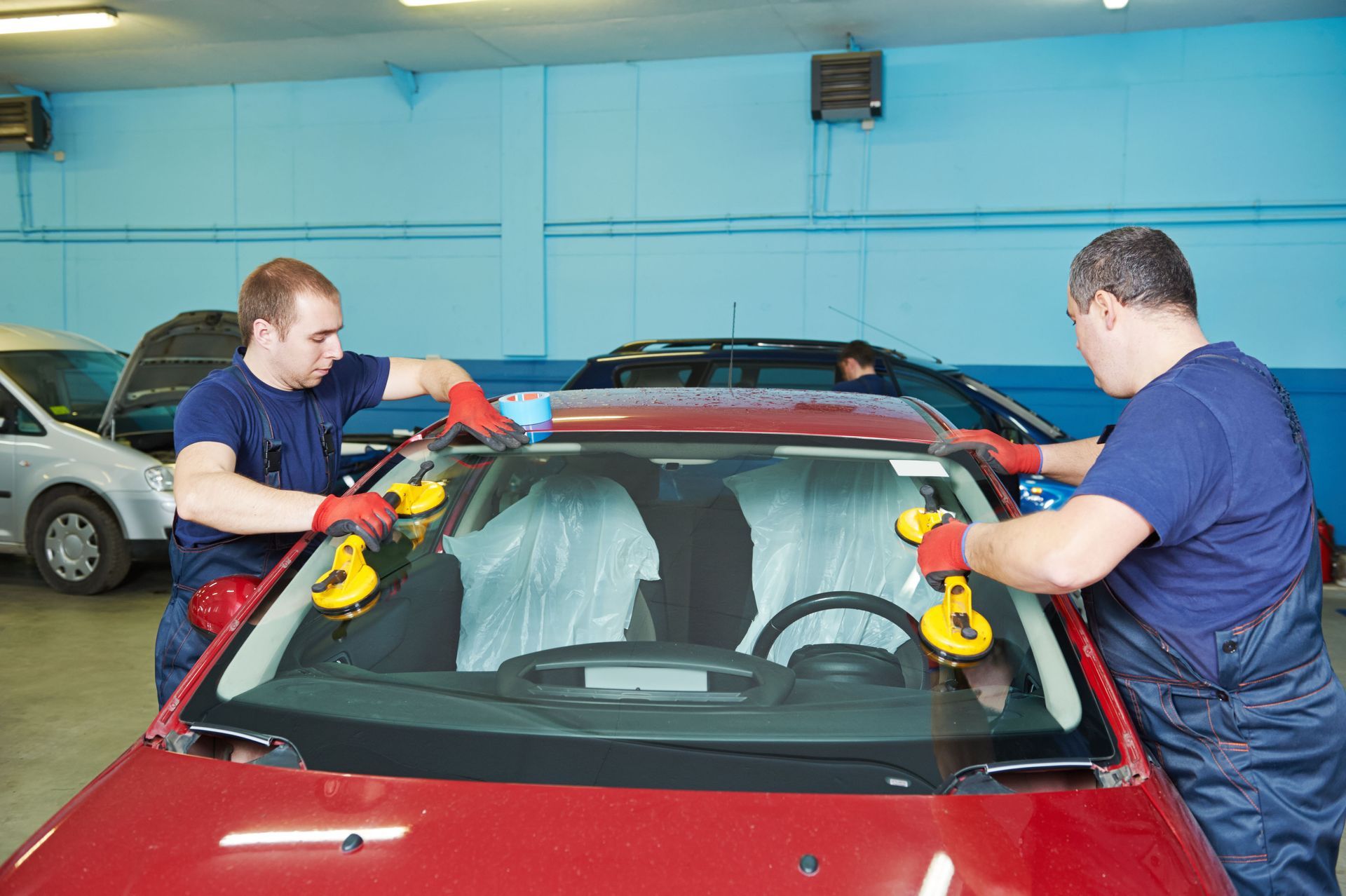
The most terrifying yet least understood danger of driving with damaged windshield glass is the severe compromise of the vehicle's structural cabin integrity during a rollover collision. In older vehicular architectures, steel pillars supported vehicle weight; however, modern unibody automotive engineering distributes structural loads across the entire perimeter frame, relying heavily on the windshield for rigidity. A factory-installed, bonded windshield provides a massive percentage of total cabin structural strength, acting as an unyielding glass beam that prevents roof collapse when a car flips upside down. When glass contains fractures, stone chips, or edge cracks, the internal tensile strength of the laminated assembly collapses completely. Under the violent compression of a rollover collision, a cracked windshield shatters instantly instead of holding firm, allowing the steel roof to buckle inward onto vehicle occupants. Sourcing timely auto glass replacement ensures that your vehicle retains its engineered structural rigidity through factory-specified glass thickness and high-modulus urethane adhesives. Certified technicians follow strict adhesive curing standards, anchoring new glass into the frame to ensure structural support. Neglecting fractured windshields removes a vital survival barrier, increasing the risk of severe head trauma during rollover accidents.
Disabling Passenger Airbag Deployments and Causing Deflection Failures
Modern restraint systems depend upon an intact windshield to save passengers during frontal collisions. When an automobile strikes an obstacle, sensors trigger the passenger airbag, which deploys with explosive velocity upward and outward from the dashboard. Rather than expanding directly toward the passenger, airbags are engineered to strike the inner face of the windshield first, bouncing off rigid glass to position the cushion before the occupant. If that windshield is weakened by cracks, the force of the deploying airbag blows the glass outward onto the hood. Deprived of a solid backstop, the deploying airbag cushion mushrooms forward through the open frame rather than cushioning the passenger. Sourcing certified auto glass replacement guarantees that new windshields withstand the intense explosive pressure of airbag strikes without blowing out. Certified technicians utilize adhesives that bond glass to metal with thousands of pounds of shear strength. Defective glass robs passengers of airbag protection, allowing occupants to strike dashboard panels directly during frontal crashes.
Distorting Visual Clarity and Creating Dangerous Sunlight Glare Blindness
Safe vehicular navigation relies almost entirely upon unobstructed optical clarity, enabling drivers to track pedestrian movements, road debris, and rapidly changing traffic patterns. When windshield glass sustains impacts, fractures break the uniform curvature of the glass, creating internal facets that refract ambient light unpredictably. During early morning commutes or bright sunsets, low-angle sunlight striking cracked glass scatters into blinding glare bursts that obliterate forward vision. Similar visual hazards emerge during nighttime driving, where oncoming high-intensity headlights explode into dazzling starburst reflections across spiderweb cracks, temporarily blinding motorists for crucial seconds. Sourcing professional auto glass replacement eliminates erratic optical distortions, restoring undistorted panoramic visibility across your entire field of view. Premium replacement glass undergoes optical testing to ensure uniform clarity without waves or distortion zones. Furthermore, damaged glass accelerates wiper blade degradation, causing wipers to tear against jagged edges and leave streaky water films during rainstorms. Restoring optical clarity eliminates visual fatigue, sharpens reaction times, and prevents accidents caused by blinding glare.
Weakening Advanced Driver Assistance Systems and Sensor Calibrations
The evolution of passenger vehicles has transformed ordinary windshield glass into an electronic mounting substrate for safety sensors. Mounted directly against interior glass behind rearview mirrors are forward-facing cameras and lidar modules that power essential safety features. These optical devices operate forward collision warning modules, pedestrian detection algorithms, automatic emergency braking, and lane departure steering systems. When cracks or stone chips encroach within the camera aperture zone, optical distortions confuse safety algorithms, triggering false alarms or blinding automated emergency systems entirely. Scheduling comprehensive auto glass replacement connects motorists with certified technicians who understand the intricate calibration requirements of advanced vehicular safety suites. Following glass installation, technicians execute static optical alignment or dynamic driving calibrations to align cameras with computer modules. Failure to recalibrate safety cameras causes vehicles to misjudge stopping distances or drift across lane markers. Entrusting safety sensors to certified technicians ensures electronic safety features operate with flawless digital precision.
Escalating Minor Surface Chips Into Costly Unrepairable Fractures
Many well-intentioned motorists delay seeking professional attention because a tiny bullseye chip appears stable and harmless upon initial inspection. However, automotive glass remains under dynamic and thermal stresses that transform minor surface dings into expansive fractures without warning. Driving over highway expansion joints, hitting potholes, or taking speed bumps sends vibrational shockwaves through the chassis, focusing mechanical stress directly at weak impact points. Furthermore, extreme temperature fluctuations accelerate fracture expansion through thermal shock. Turning on defrosters during freezing winter mornings directs heat against the inner glass face while the outer surface remains frozen, causing uneven expansion that snaps cracked glass. In summer weather, blasting air conditioning against sun-baked windshields triggers identical fracture migration. Promptly pursuing auto glass replacement prevents minor blemishes from escalating into sprawling fractures that compromise forward vision. Addressing glass damage early avoids breakdowns, eliminates towing fees, and ensures vehicular safety is never compromised by sudden crack expansion.
Delaying windshield repair or replacement is an extraordinarily dangerous gamble that jeopardizes vehicular structural strength, optical safety, and passenger survival. A cracked windshield represents a fractured structural beam that weakens rollover protection, compromises airbag deployment, and impairs driver-assistance cameras. By recognizing the mechanical responsibilities of modern glass, motorists take proactive control over their highway safety. Bypassing cheap mobile shortcuts in favor of certified installation specialists ensures that high-grade laminated glass and factory-specified adhesives restore your vehicle to original safety tolerances.
At Cape & Islands Glass, our dedicated team brings deep automotive glazing craftsmanship, state-of-the-art camera calibration technology, and an unwavering commitment to quality on every vehicle we service, ensuring your automobile achieves maximum structural safety, unyielding optical clarity, and extraordinary weather protection across every driving journey. Contact us today or visit our local service center to schedule your comprehensive windshield evaluation and discover the lasting benefits of working with trusted auto glass professionals.